Product Features
Product Features
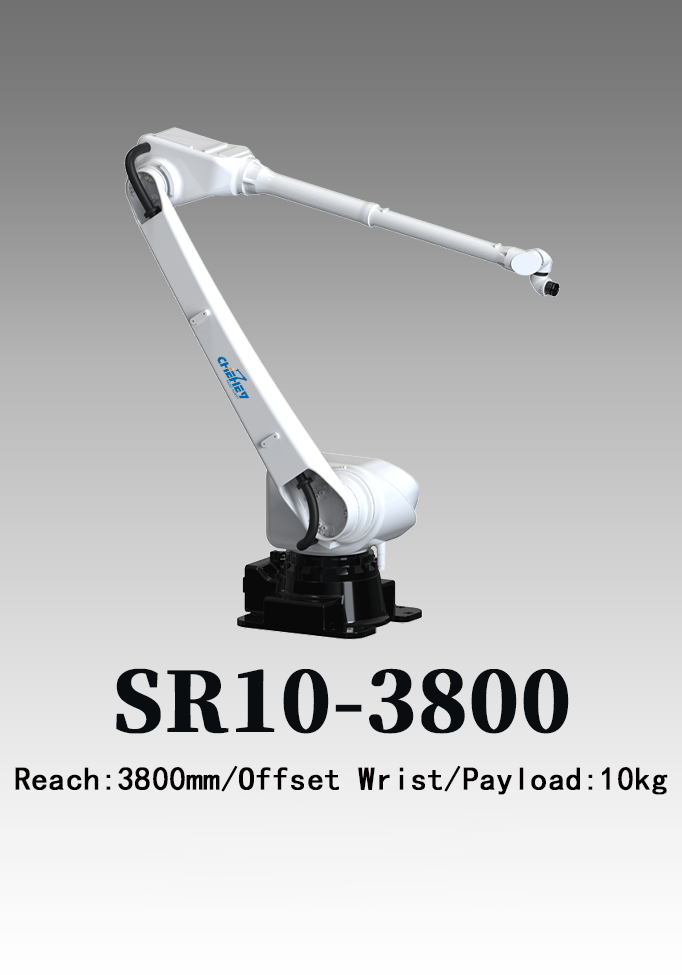
Product Features
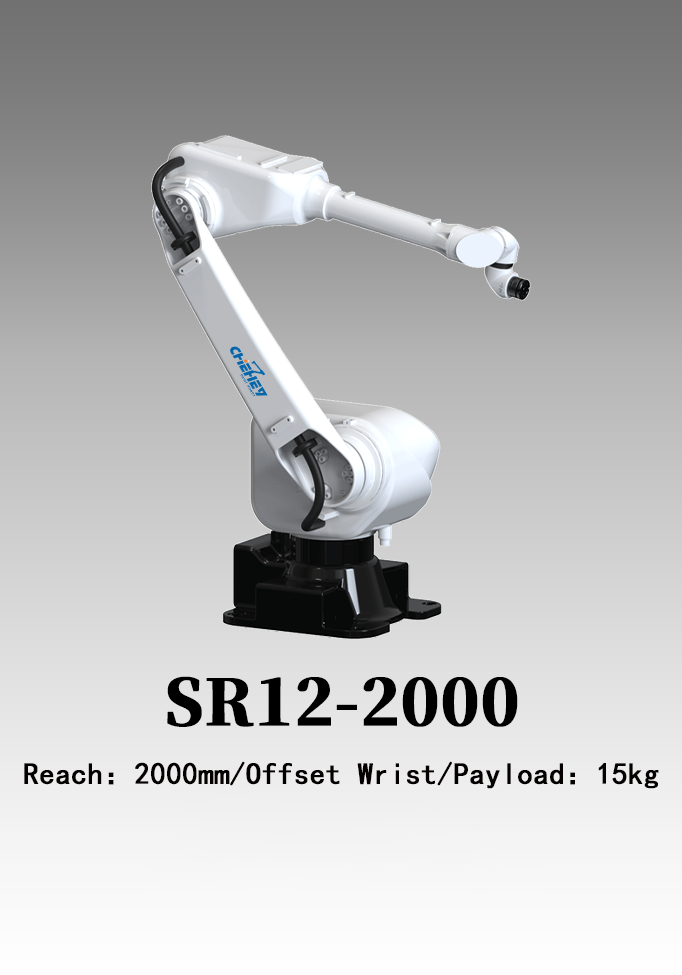
Product Features
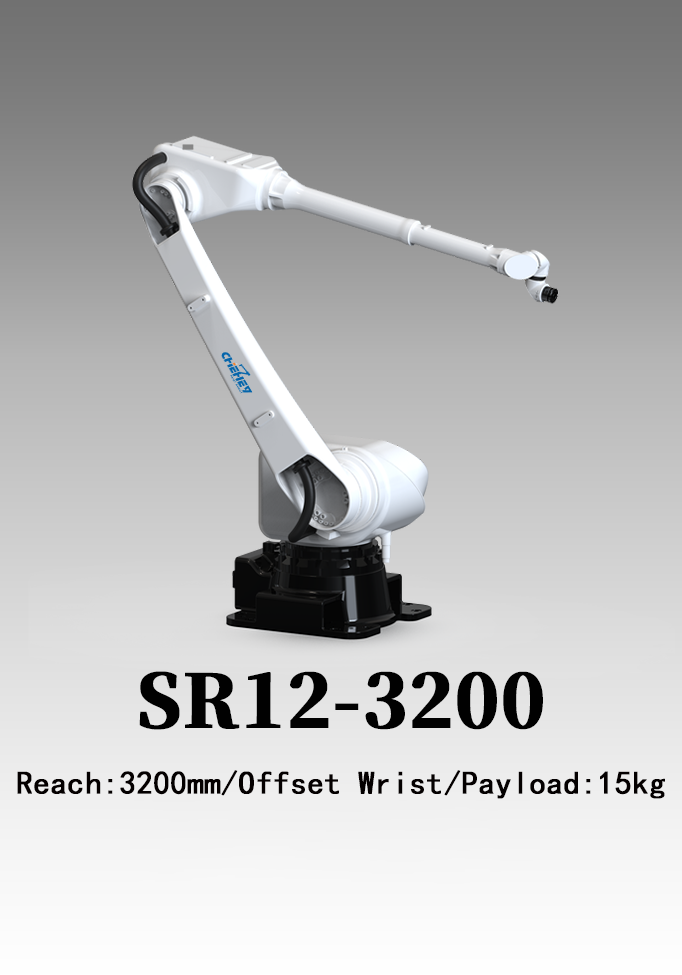
Product Features
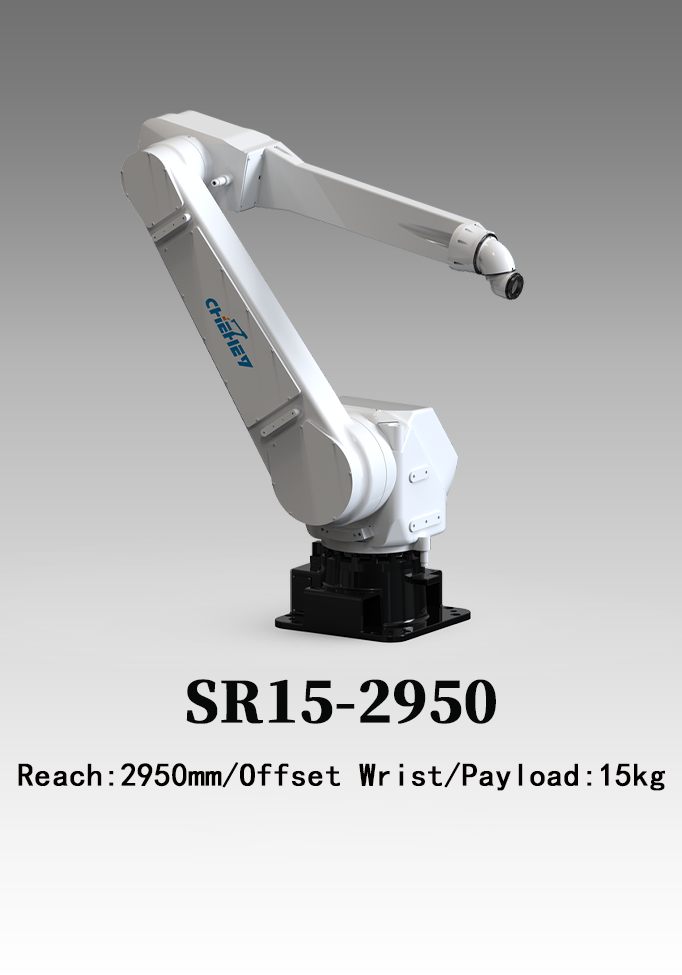
Product Features
Product Features
We partner with certified contract manufacturers specializing in outsourced painting services, delivering cost-effective automated robotic painting retrofits through equipment leasing, installment payment or revenue-sharing models.
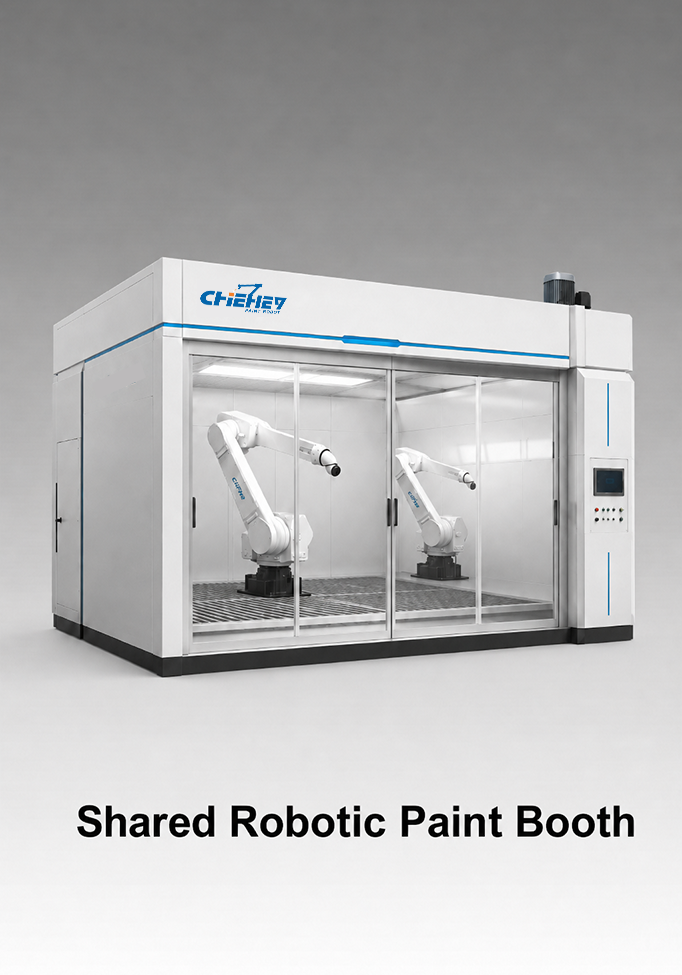
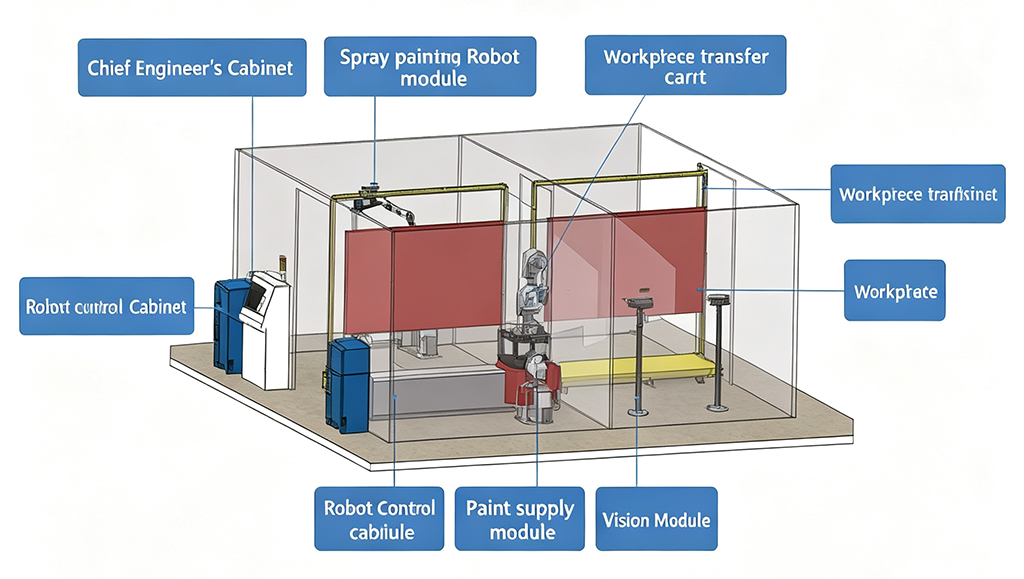
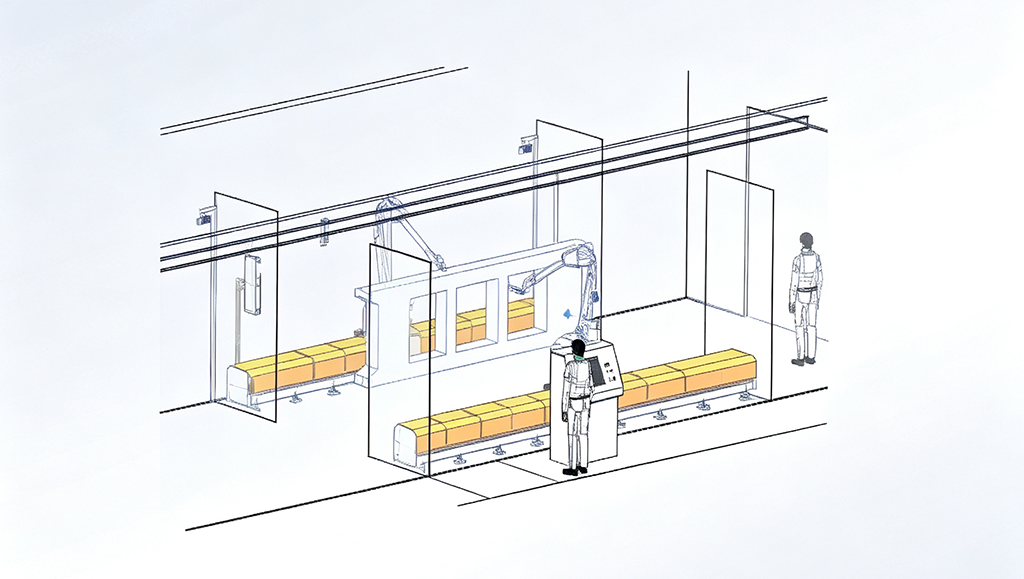
We also develop and operate automated shared painting booths to provide on-demand coating services within industrial clusters, with a roadmap to replicate and scale this business model nationwide.
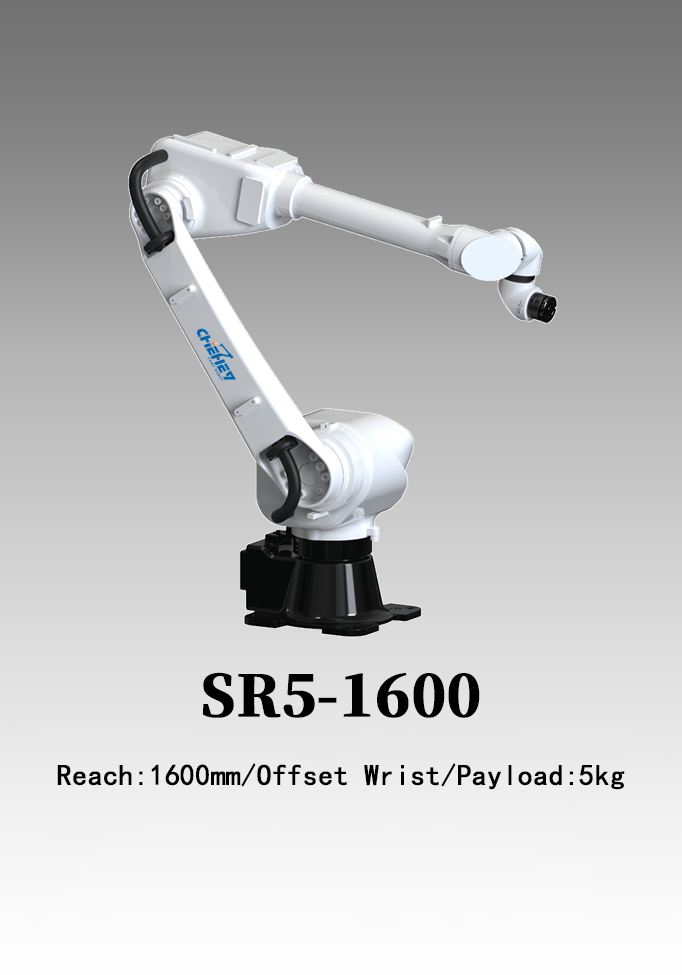
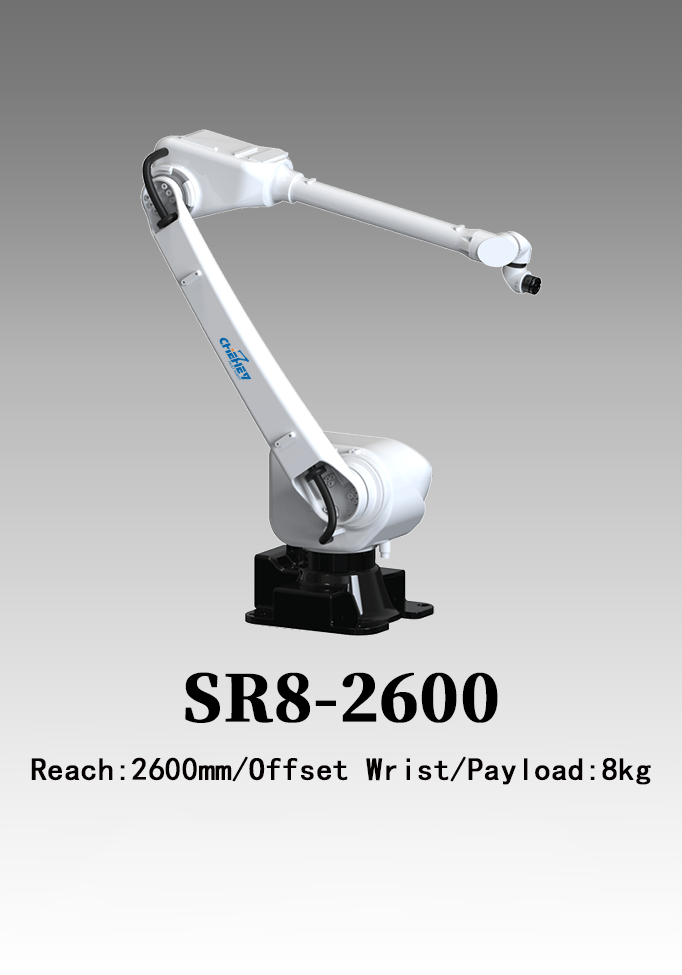
We provide three core solutions: spray robots, custom automated coating lines, and shared spray booths. As your one-stop coating partner, our 1.6m–3.8m robots serve automotive, rail, metal casting, motor, enclosure and furniture coating.
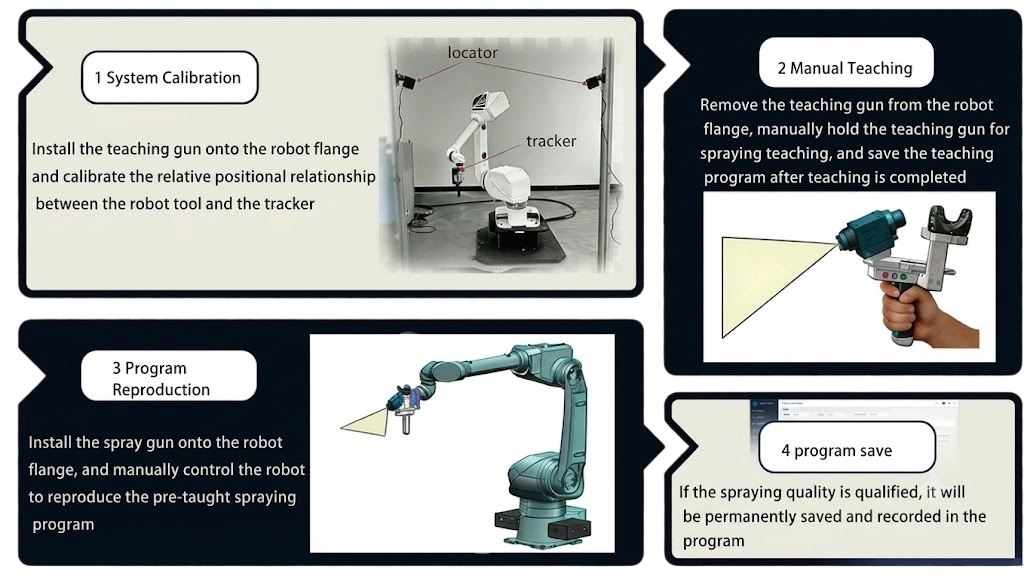
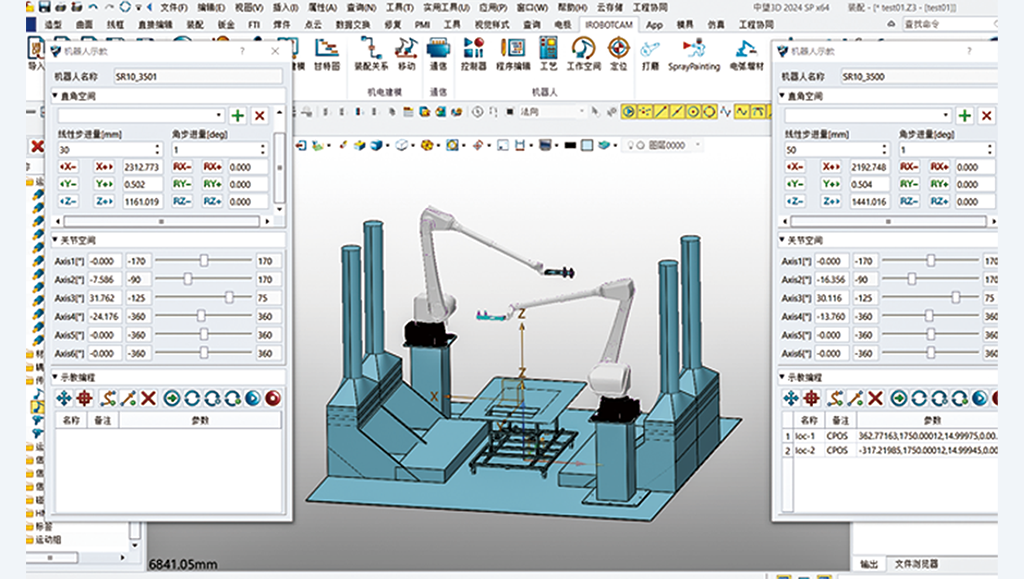
Our patented BBR wrist delivers singularity-free front spraying. Integrated vision, auto path planning and follow-up teaching enable touch-free operation, flexible spraying and fast setup.
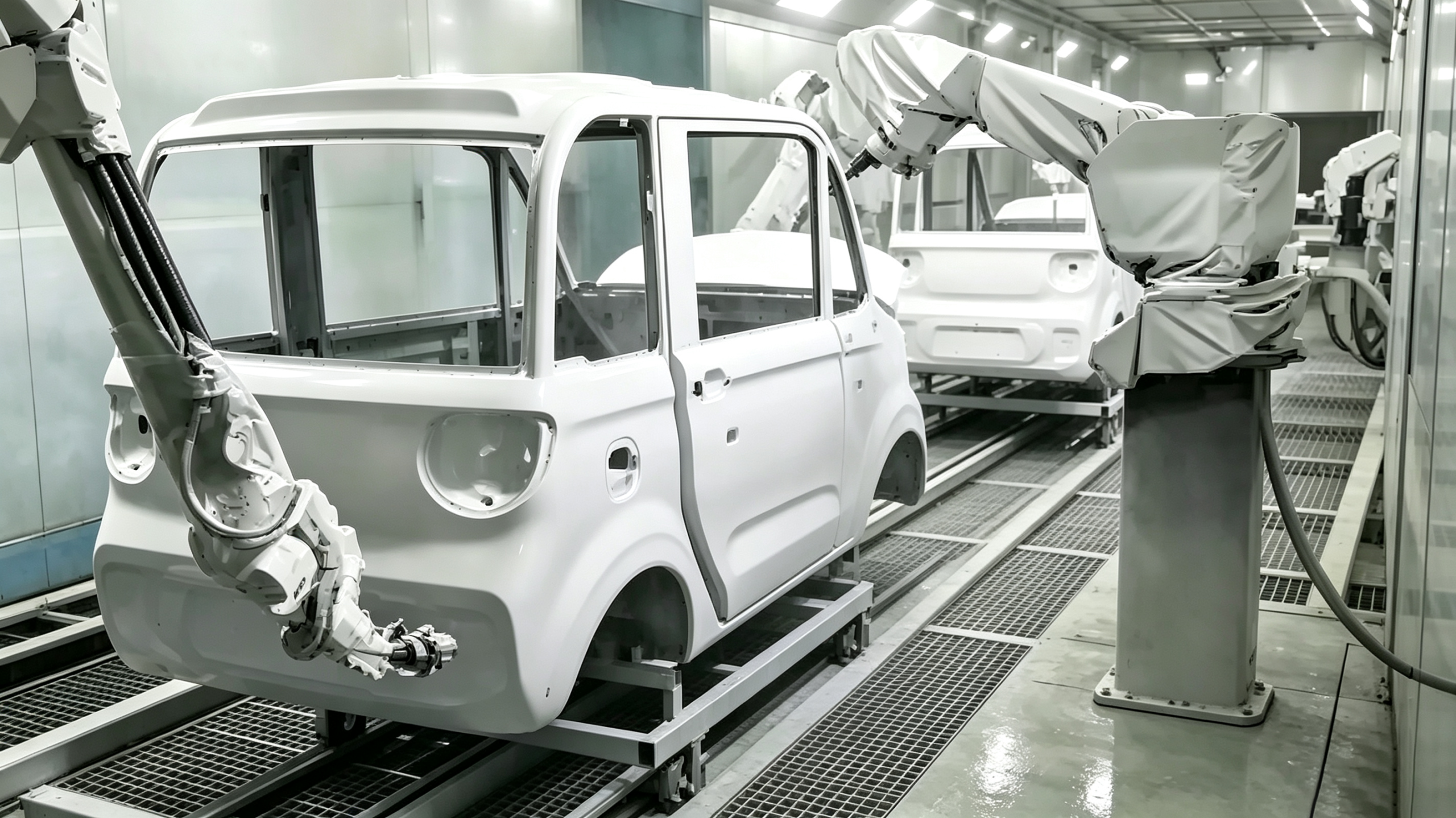
Complex Contours: Recesses, gaps and wheel arches cause uneven coverage; manual touch-up leads to visible color difference.
Strict Appearance Rules: Zero tolerance for sagging, pinholes and orange peel; precise film thickness decides finish quality and corrosion resistance.
High-Speed Production: Fast line cycles need efficient spraying; fumes require mist collection, VOC treatment and explosion-proof design.
Batch Consistency: Spray angle variations cause inconsistent shades and rejected bodies.
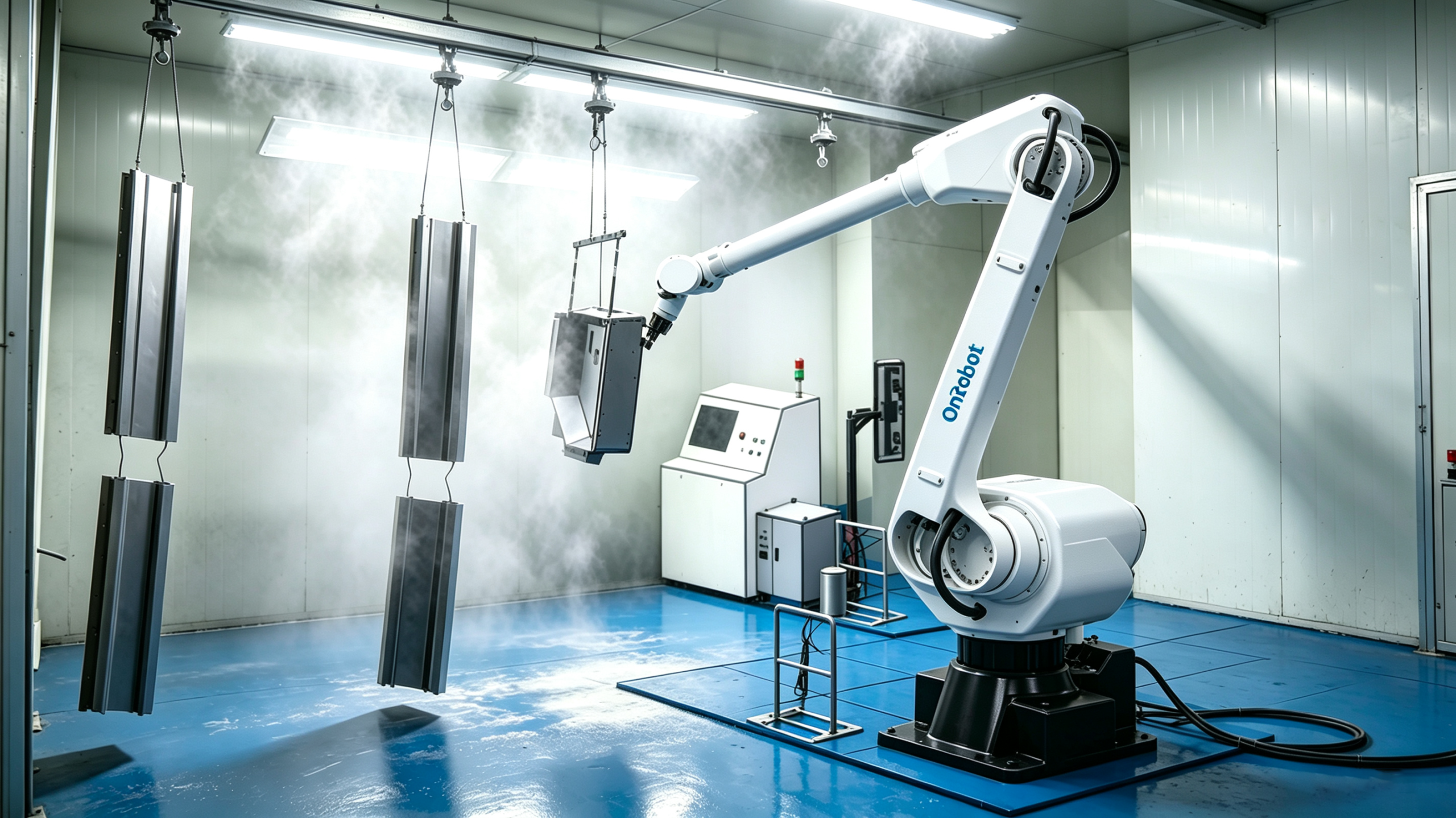
Rough Substrates: Sand inclusions, pores and uneven surfaces cause poor adhesion; sharp edges easily get missed spots and thin film.
Anti-Corrosion Demand: Cast parts need thick anti-corrosion coatings; manual spraying causes uneven thickness, sagging and early rust.
Small-Batch Production: Diverse casting shapes slow manual teaching; frequent changeover extends downtime and cuts efficiency.
Harsh Environment: Foundry dust and residue clog equipment; high IP protection raises long-term operation difficulty.
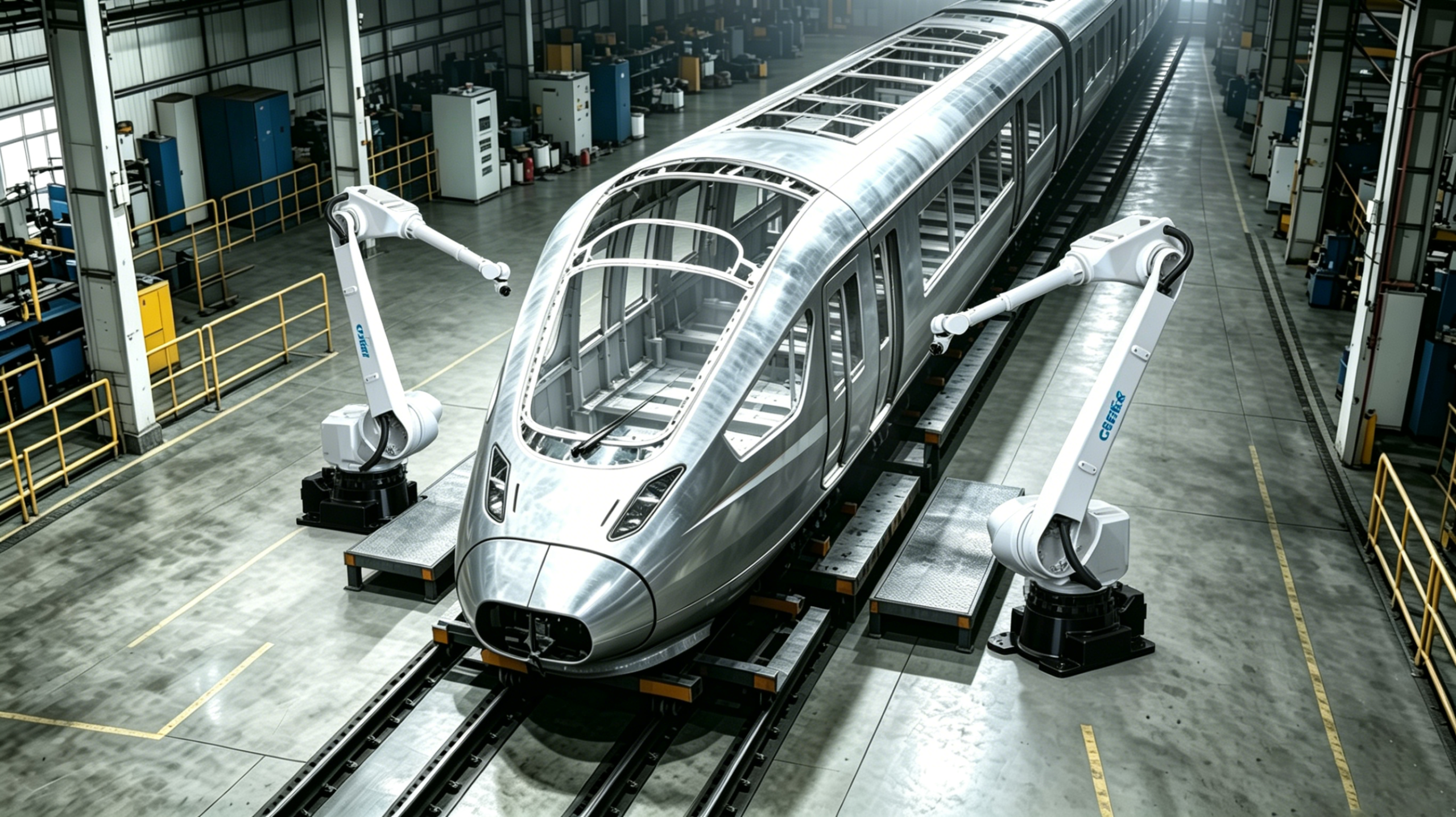
Large Workpieces: Long carbody surfaces and hidden welds exceed standard robot reach; uneven film appears at far ends and corners.
Weather Resistance: Coatings must withstand UV, salt spray and sand; poor adhesion causes high rework cost and short service life.
Batch Uniformity: Long carbodies easily show cross-section color difference; even gloss and thickness are required for whole-vehicle finish.
Safety Rules: Solvent fumes need explosion-proof design; overspray collection and VOC treatment are mandatory.
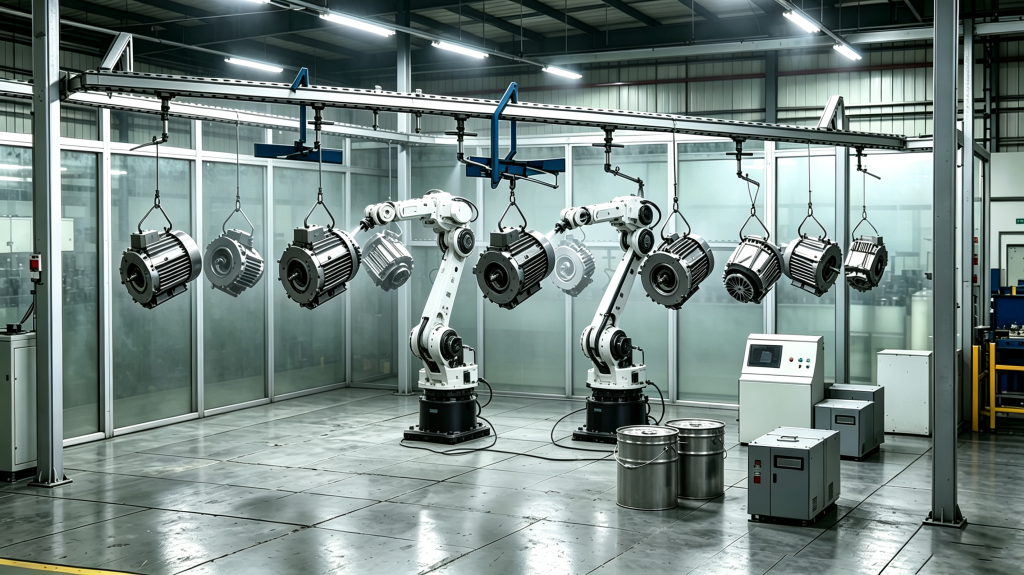
Precision Coatings: Insulation and heat-dissipation coatings need strict thickness control; pinholes or thin spots cause dielectric failure or overheating.
Small Feature Coverage: Slots, laminations and corners are hard to cover; uneven coating harms insulation and heat dissipation performance.
Continuous Operation: High-speed lines need stable 24/7 running; manual spraying cannot keep takt time and causes inconsistent quality.
Material Compatibility: Different motor materials have varied curing requirements; over-spray on mating surfaces affects assembly precision.
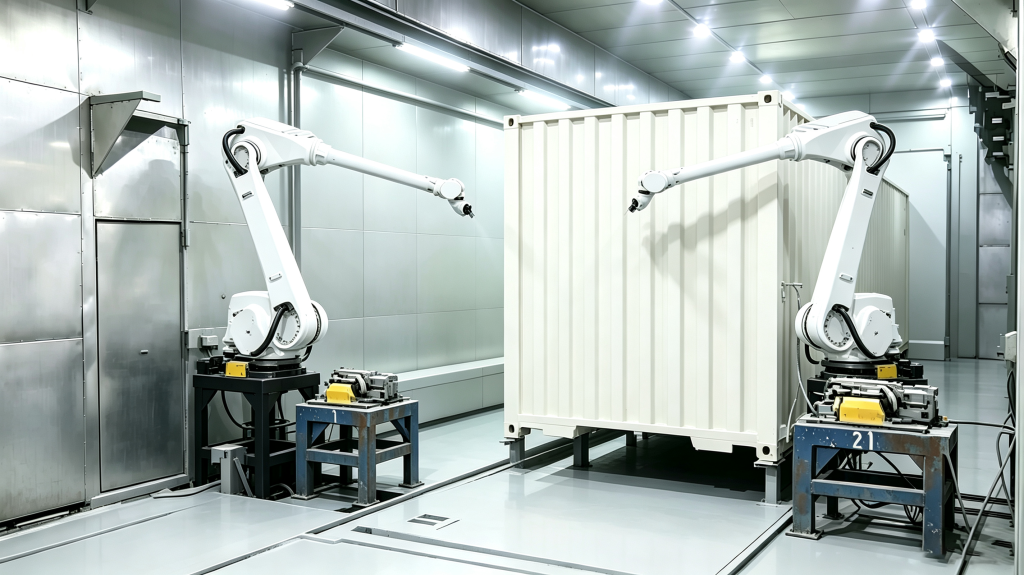
Spray Dead Zones: Welds, mounting holes and folded edges form dead zones; missed spots and thin edges lead to early structural rust.
Dual Performance: Coatings need anti-corrosion protection and decorative finish; sagging or orange peel directly harms visual quality.
Flexible Production: Diverse cabinet sizes need frequent program changes; manual teaching takes long time and cuts production efficiency.
Surface Uniformity: Flat surfaces easily show thickness differences; consistent gloss and color are required for branded products.
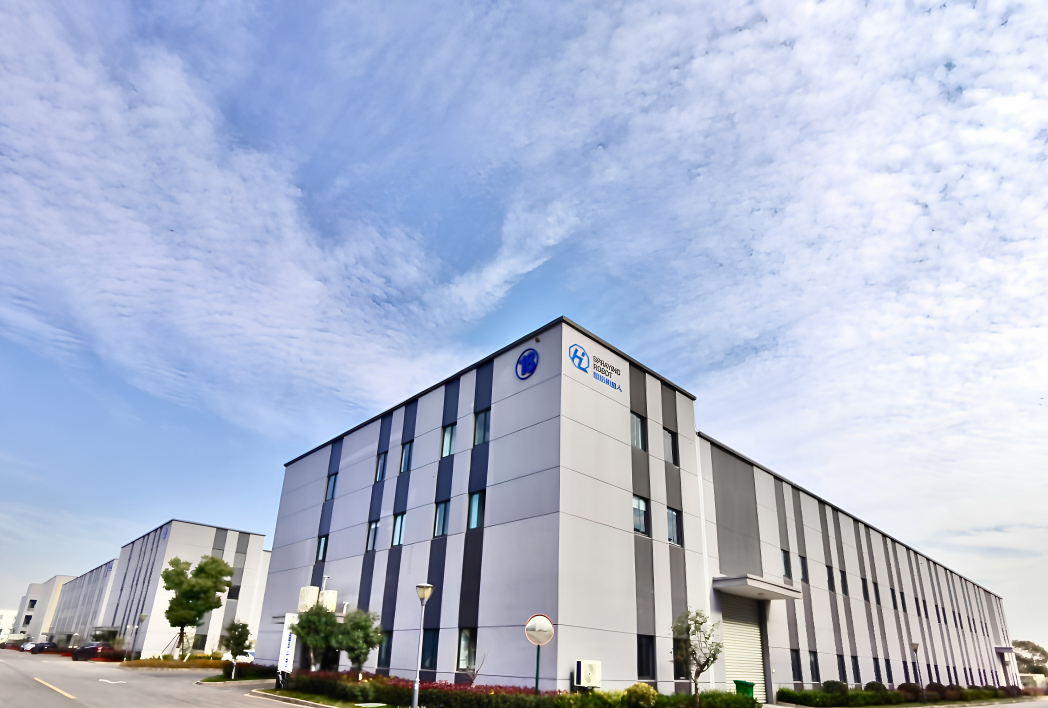
Chiehey Robot is an innovative enterprise focused on R&D, manufacturing and application of intelligent painting robots. We pioneered the “AI + Painting Robots + Painting Processes” technology roadmap in China, with proprietary flexible painting systems for seamless “hand-eye-brain” collaborative operation.

The IME 2026 Southeast Asia Intelligent Manufacturing Exhibition took place from July 22–24, 2026 at the IMPACT Exhibition and Convention Center in Bangkok, Thailand. As one of the most influential industry events in Southeast Asia’s intelligent manufacturing sector, this year’s expo was anchored in Thailand’s Industry 4.0 strategy and extended its
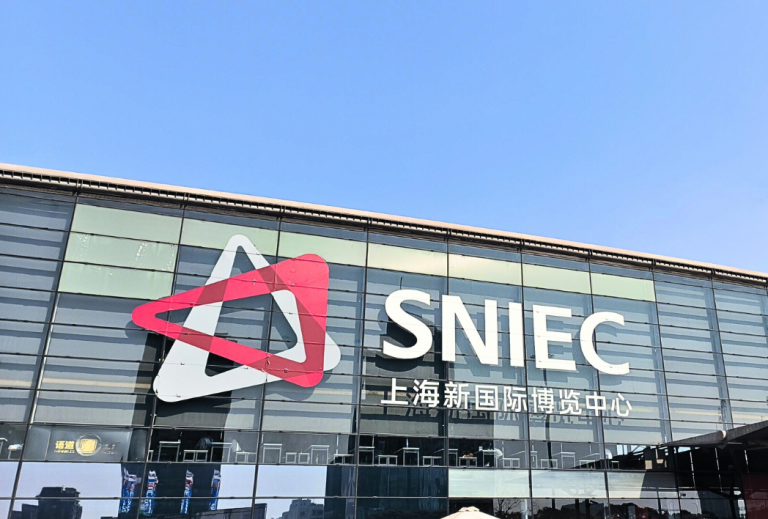
Shanghai New International Expo Centre
Hall E6 / E7 ,July 2–4, 2025










© Chiehey All Rights Reserved.
Designed by